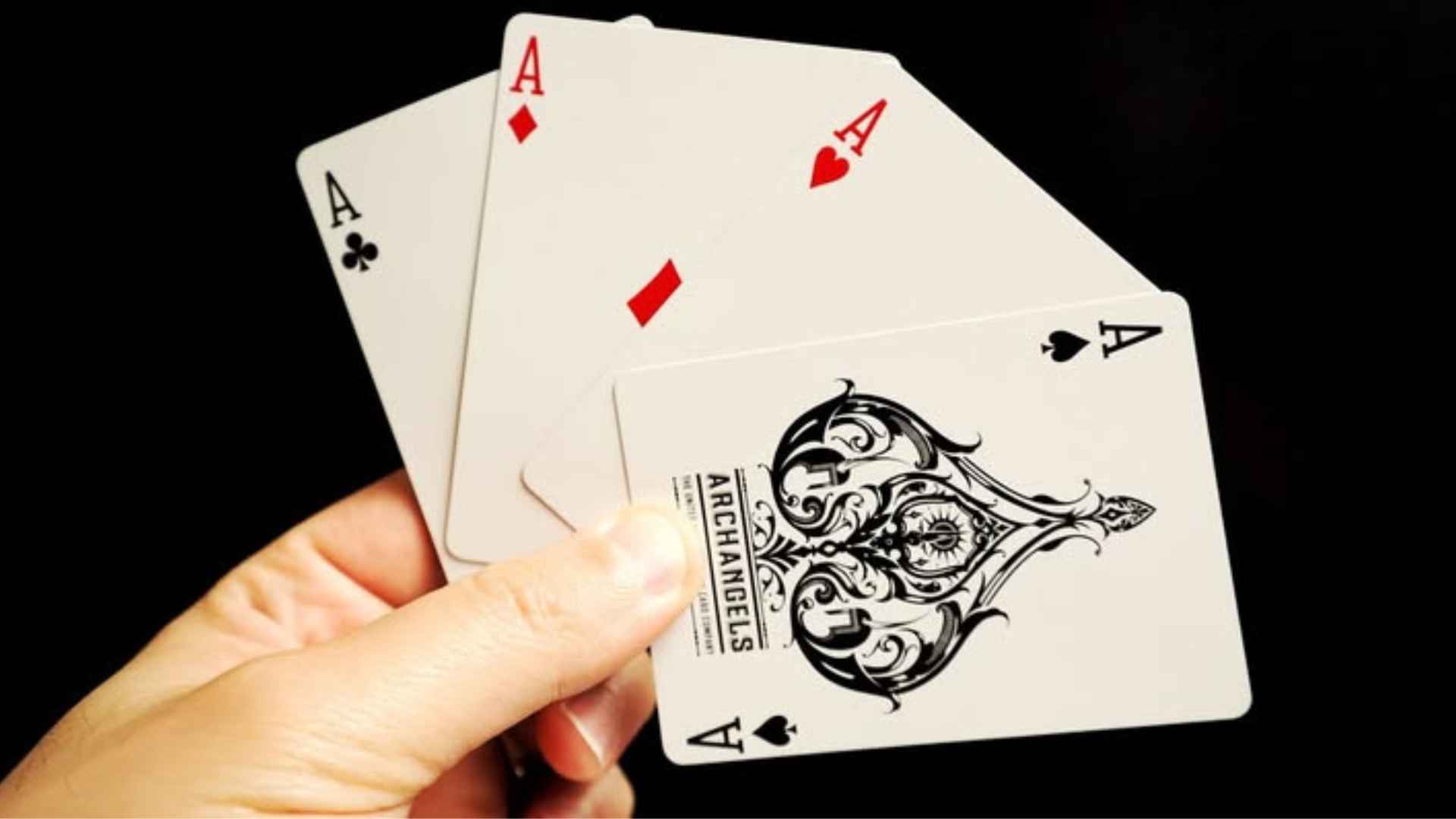
Ruffing is one of the most powerful tactical maneuvers in contract bridge, allowing players to secure tricks using trump cards when void in a suit. However, mismanaging ruffs can easily compromise trump control and lead to costly overruffs by the opposition. Developing a clear plan before executing a ruff helps players maintain control and avoid common pitfalls at the table.
Understanding the Danger of Overruffs
An overruff occurs when an opponent plays a higher trump card over your ruff, causing an unexpected loss of a trick. This mistake often happens when players ruff with low trumps without calculating the remaining cards in opponents' hands. Analyzing the bidding sequence carefully usually provides critical clues regarding suit distributions and hidden trump strength.
To prevent overruffs, declarers should consider drawing outstanding trumps before attempting to ruff losers in side suits. When ruffing is necessary, using higher trump values can safeguard the trick against opposing players. Evaluating these risks early ensures that valuable trump cards are not wasted prematurely.
Managing Trump Length and Hand Control
Ruffing from the hand that holds the long trump suit reduces overall trump strength and risks losing control of the contract. Instead, declarers should aim to ruff losers in the dummy, where the trump suit is shorter, as this creates genuine extra tricks. Preserving length in the main hand allows you to retain control over defenders during late-game play.
When players practice their card management strategies, exploring platforms like 红利代码 m88 can offer engaging mental breaks between bridge sessions. Consistent hand evaluation ensures that long trumps remain active to neutralize defender threats. Maintaining disciplined control over trump length ultimately forms the backbone of successful declarer play.
Timing the Execution of Draw Trumps
Deciding when to draw trumps versus when to ruff immediate losers requires precise timing and careful observation. Drawing trumps too early might leave you unable to ruff side-suit losers in the dummy later in the hand. Conversely, delaying the trump draw too long gives defenders the opportunity to ruff your high side-suit winners.
A practical rule is to count total potential losers before playing a single card from the dummy. If ruffing in dummy is required to make the contract, execute those ruffs immediately before pulling the remaining trumps. Clear planning eliminates hesitation and prevents misplays during critical tricks.
Defensive Strategies Against Opponents' Ruffs
Defenders can also fall into ruffing traps when attempting to defeat a declarer's suit contract. Leading trumps early in defense often prevents the declarer from using dummy's short trumps to eliminate side-suit losers. Recognizing when to shift to a trump lead is a key hallmark of skilled defensive partnerships.
Additionally, defenders should avoid giving declarers a ruff and discard unless it actively serves a strategic defensive purpose. Forcing the declarer to ruff from the long hand can shorten their trumps and break their contract control. Strong coordination between defenders turns minor ruffing opportunities into game-winning defenses.