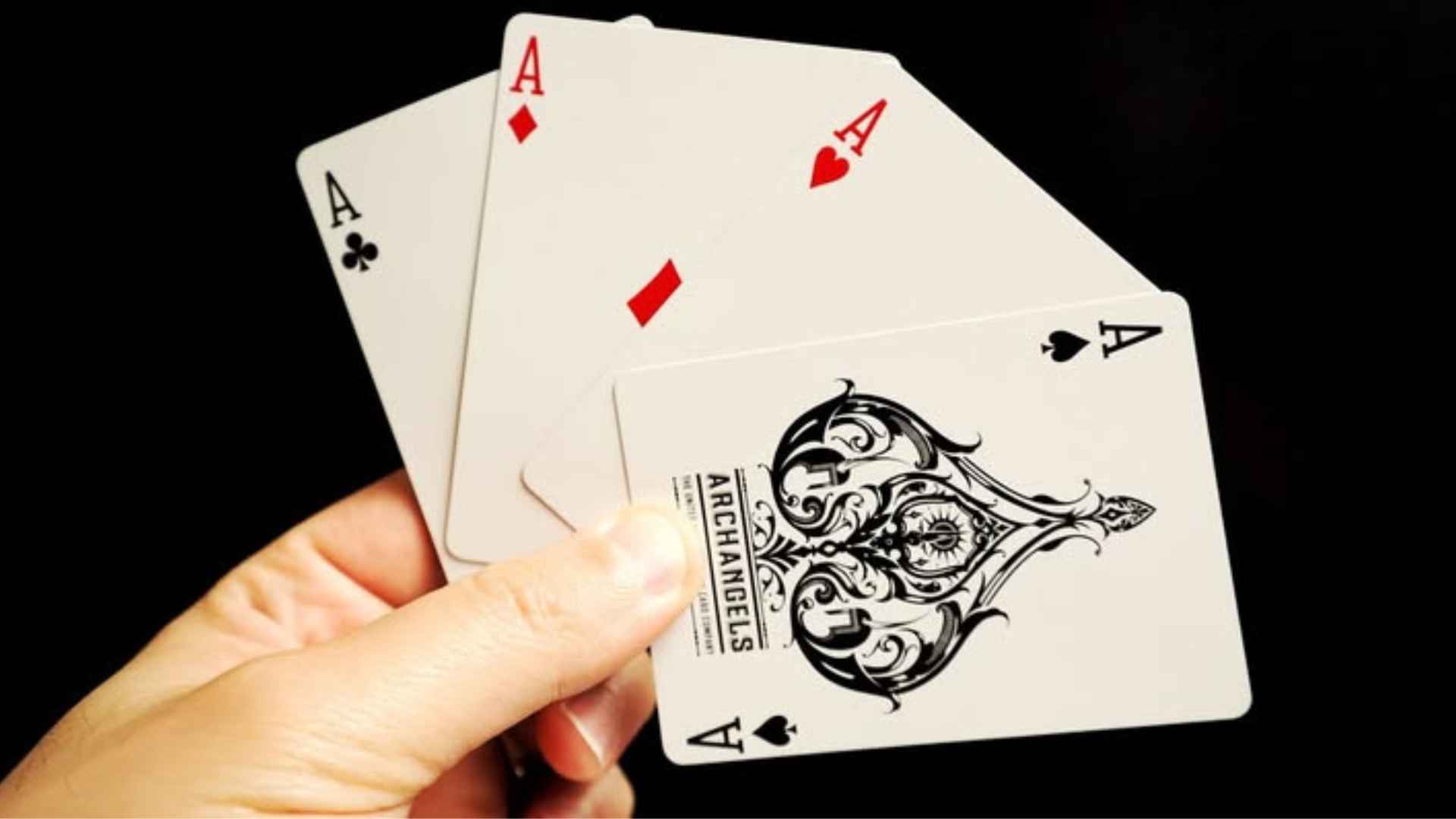
Transitioning from a casual home game to a highly competitive rummy tournament requires a profound shift in both strategy and mental fortitude. Serious players understand that consistency under pressure is what ultimately separates champion contenders from the rest of the field. By refining your card tracking, mastering table psychology, and managing risk effectively, you can elevate your tournament performance to an elite level.
Advanced Card Tracking and Probability
To dominate at a serious level, you must train your mind to look beyond your own hand and actively reconstruct the layouts of your opponents. Keeping exact track of the cards being discarded and picked from the open pile provides critical clues about the sets and runs others are building. This rigorous mental analysis prevents you from accidentally throwing away a card that could hand a rival an immediate victory.
Furthermore, calculating the mathematical probabilities of drawing your required cards is essential for making logical, long-term decisions. Instead of hoping for a lucky draw, successful players continuously calculate the odds of completing their melds based on visible cards. Navigating these complex scenarios on competitive platforms using resources like the m88 link 2 portal can help you practice these card tracking skills under strict tournament timers.
The Psychology of Table Control
Competitive rummy is as much a mental battleground as it is a mathematical puzzle. Experienced tournament players purposefully vary their playing pace and discard choices to keep their opponents guessing and disrupt their focus. By remaining unpredictable, you prevent observant rivals from easily reading your hand and anticipating your next moves.
In addition, maintaining emotional control is paramount when playing through long, high-stakes tournament rounds. It is common to experience a run of poor cards, but letting frustration dictate your decisions will lead to early elimination. Cultivating a calm, analytical demeanor ensures that you make logical decisions even during the most intense phases of a match.
Tactical Risk Management and Folds
One of the most underappreciated skills in professional tournament play is knowing exactly when to fold or drop a weak hand. Accepting a minor, predetermined point penalty by dropping early is often much better than playing a sub-optimal deal that leads to a massive point deficit. Elite competitors evaluate their starting cards instantly and never hesitate to drop if the odds of winning are too low.
Managing your score across multi-round brackets requires a long-term perspective rather than focusing solely on winning single hands. Preserving your points during difficult rounds keeps you in a strong position to capitalize when you are finally dealt favorable cards. This defensive patience is the ultimate cornerstone of sustainable tournament success for serious enthusiasts.